




How Ozone Generators Transform Water Quality in Recirculating Aquaculture Systems (RAS)
Managing water quality in high-density Recirculating Aquaculture Systems (RAS) is a constant balancing act. As stocking densities increase, so does organic waste, dissolved solids, and the risk of catastrophic pathogen outbreaks. Traditional chemical treatments often leave toxic residues, while basic filtration systems struggle to capture fine particulates.
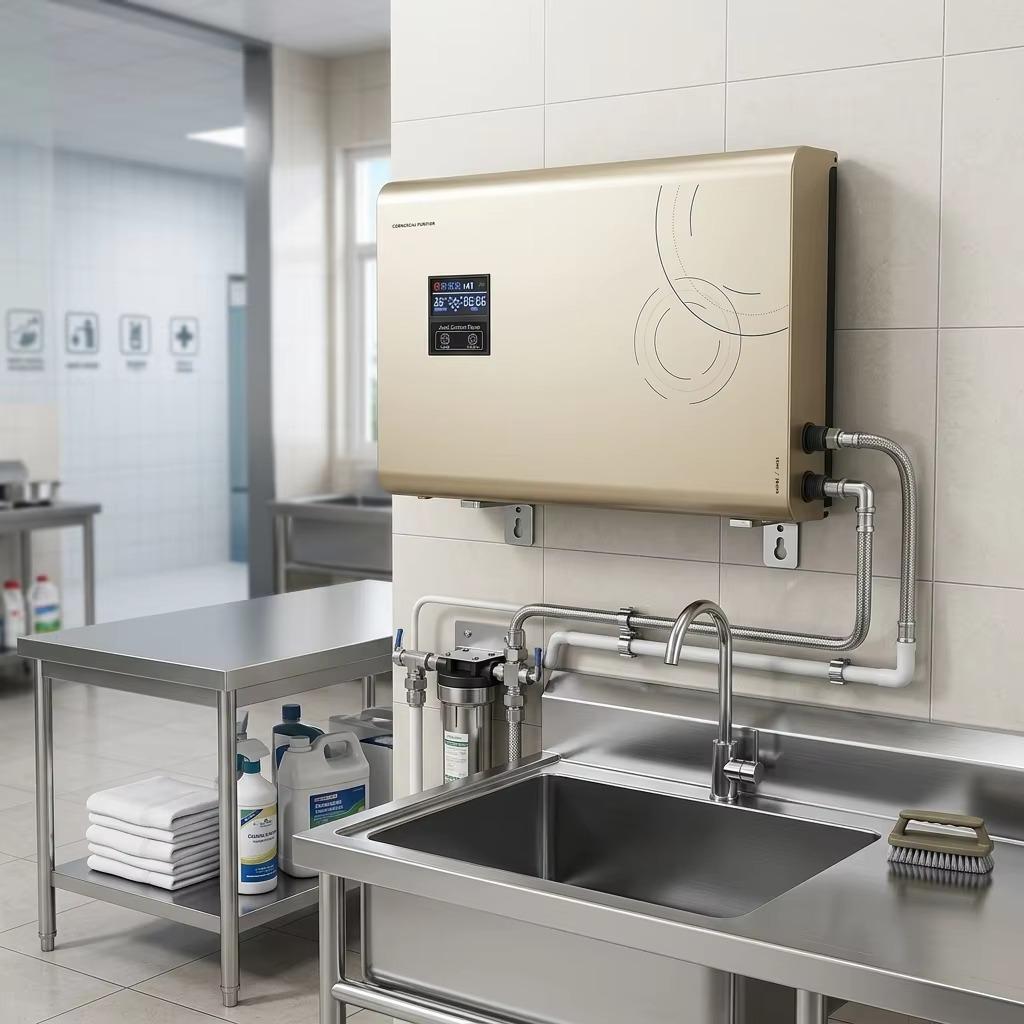
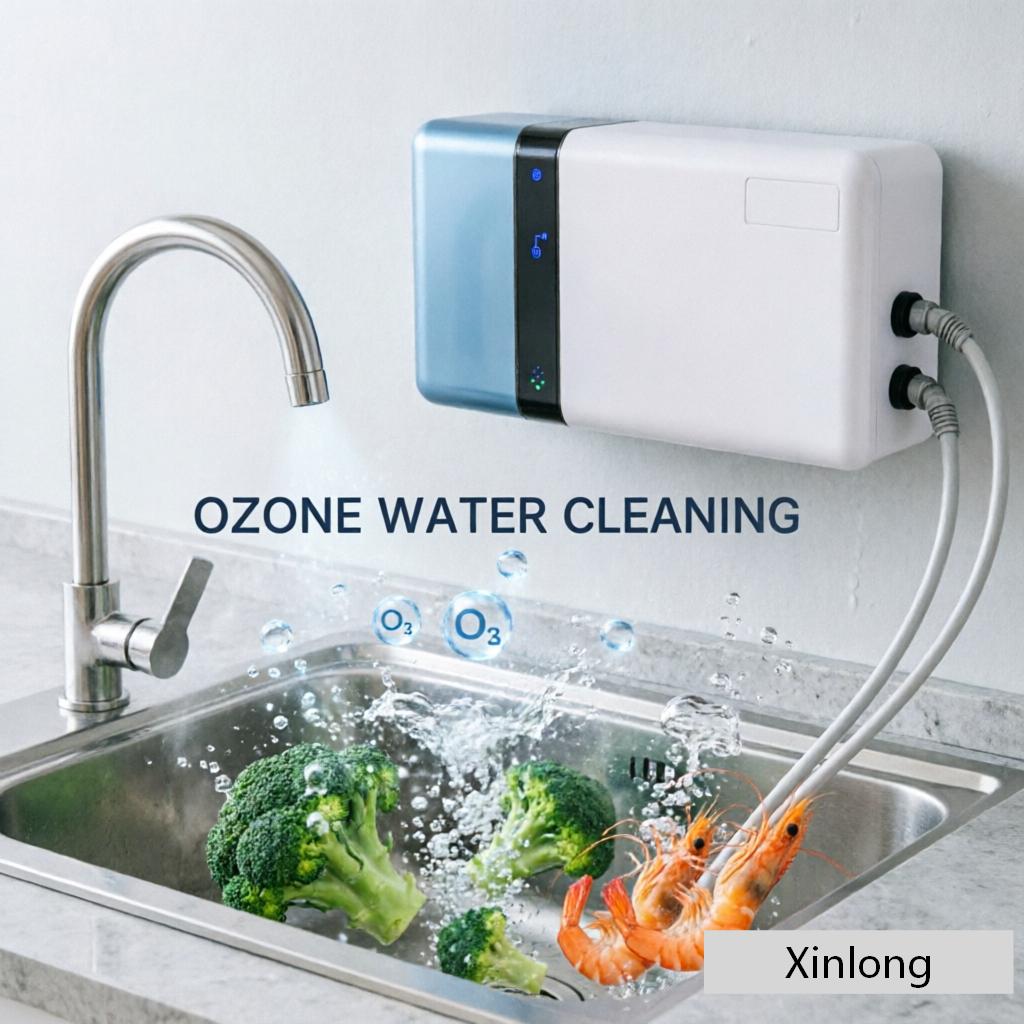
This is where industrial ozone generators and ozonated water systems have become standard infrastructure for modern commercial aquaculture.
Ozone (O3) provides rapid oxidation without chemical buildup. After targeting organic contaminants and waterborne pathogens, ozone naturally decomposes back into pure dissolved oxygen (O2).
Below is a breakdown of how ozone integration solves the core operational challenges in RAS facility management.
1. Advanced Pathogen Control Without Chemical Residues
Disease outbreaks present the highest financial risk in intensive fish farming. Pathogens like Vibrio, Aeromonas, Pseudomonas, along with various waterborne viruses and parasites, spread rapidly through shared recirculating loops.
- Broad-Spectrum Disinfection: Ozone breaks down microbial cell walls on contact. It neutralizes bacteria, viruses, and fungi far faster than chlorine or UV dosing.
- Zero Toxic Footprint: Unlike harsh chemical additives, ozone leaves no chemical residues in the water or fish tissue. This allows farms to maintain chemical-free operations and pass strict food safety audits.
2. Elimination of Off-Flavor Compounds (Geosmin & MIB)
Earthy or muddy tastes caused by bio-compounds such as Geosmin and 2-Methylisoborneol (MIB) significantly degrade market value. Traditionally, removing these compounds required lengthy depuration periods in clean water, holding back production schedules and increasing water usage.
Industrial ozone water machines oxidize Geosmin and MIB directly in the water column. By continuously breaking down these compounds during the grow-out cycle, farms can:
- Significantly shorten purging/depuration cycles before harvest.
- Bring fish to market faster.
- Ensure consistent, premium flavor profiles across every yield.
3. Protecting Biofilter Performance
Fine suspended solids and dissolved organic carbon (DOC) coat biofiltration media over time. This prevents nitrifying bacteria from converting toxic ammonia into nitrate efficiently.
Ozone acts as a micro-flocculant. It breaks down complex organic molecules into smaller, digestible fragments. This prevents biofilter clogging, allowing beneficial bacteria to operate at maximum nitrifying capacity while reducing backwashing frequency.
4. Boosted Dissolved Oxygen (DO) Levels
Oxygen availability directly limits stocking density and growth rates.
When ozone oxidizes target compounds, its molecular structure decomposes into pure oxygen (O2):
2O3 →3O2
This reaction delivers a localized boost to dissolved oxygen levels throughout the water loop. Higher, more stable DO levels support:
- Increased stocking densities.
- Lower Feed Conversion Ratios (FCR).
- Faster overall growth cycles.
5. Enhanced Water Clarity via Protein Skimming
Ultra-fine solids often pass right through drum filters and mechanical media, causing cloudy water and stressing aquatic life. Ozone alters the surface charge of these fine particulates, causing them to coagulate.
When paired with protein skimmers (foam fractionators), ozonated micro-bubbles bind to these fine organics and lift them out of solution, delivering crystal-clear water and improving overall system visibility.
Integrating Ozone Systems Into Your RAS Workflow
To achieve optimal oxidation without exceeding safe dissolved ozone thresholds for stock, proper system sizing and gas-liquid mixing (such as venturi injectors or contact columns) are essential.
| Equipment Component | Core Operational Purpose |
| Industrial Ozone Generator | Converts oxygen into high-concentration ozone gas (O3) for system dosing. |
| Ozone Water Machine / Injector | Dissolves ozone gas efficiently into the side-stream water supply. |
| Contact Tank & Off-Gas Unit | Allows adequate contact time for oxidation while safely venting excess gas. |
| ORP Controller & Sensor | Continuously monitors Oxidation-Reduction Potential to maintain precise dosing levels. |
Upgrade Your RAS Water Quality Today
Whether you are designing a new recirculating aquaculture facility or retrofitting an existing operation to boost stocking capacity, selecting the right industrial ozone equipment is critical to long-term performance.
Our commercial ozone generators and integrated ozone water systems are engineered for 24/7 continuous duty in harsh marine and freshwater environments.
Need help sizing an ozone system for your facility's flow rate?
[Contact our engineering team today] to discuss your project specifications and request a custom factory-direct quote.
Keywords: Industrial Ozone Generator for RAS, Ozone Water System Aquaculture, Water Treatment in Recirculating Aquaculture
How to remove geosmin in fish farming, Ozone water machine for fish hatchery, Ozone disinfection for aquaculture RAS
Tags:
Related Posts