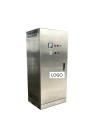
Industrial Ozone Generator System for Cooling Tower Water Treatment | Legionella & Algae Control
Chemical-Free Water Disinfection, Biofilm Removal & Legionella Prevention
Managing water quality in industrial cooling towers and commercial HVAC evaporative condensers requires a strict balance between corrosion prevention, biological control, and operational cost management. Traditional chemical dosing relies on biocide rotation, hazardous handling, and high blowdown volumes.
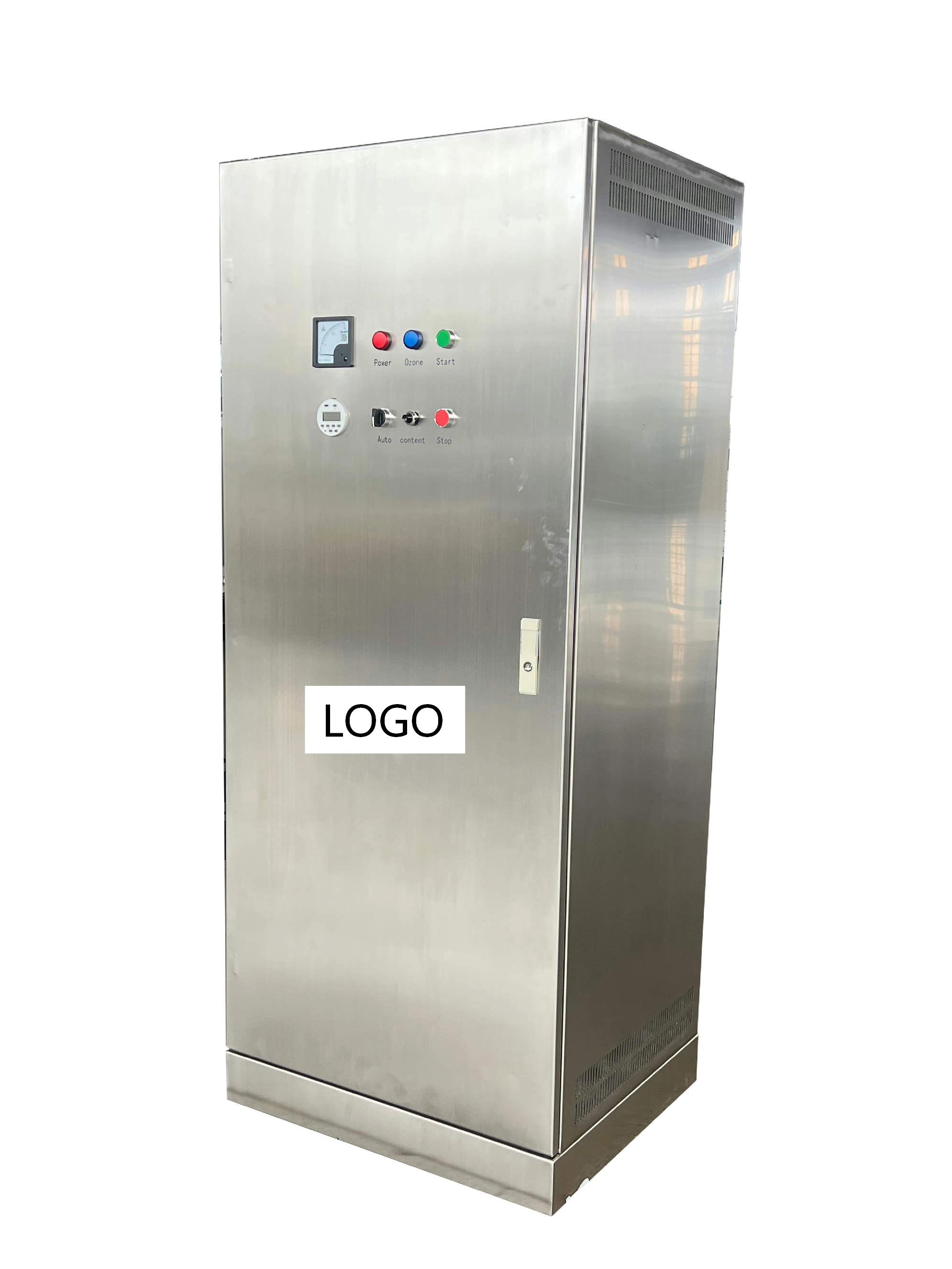
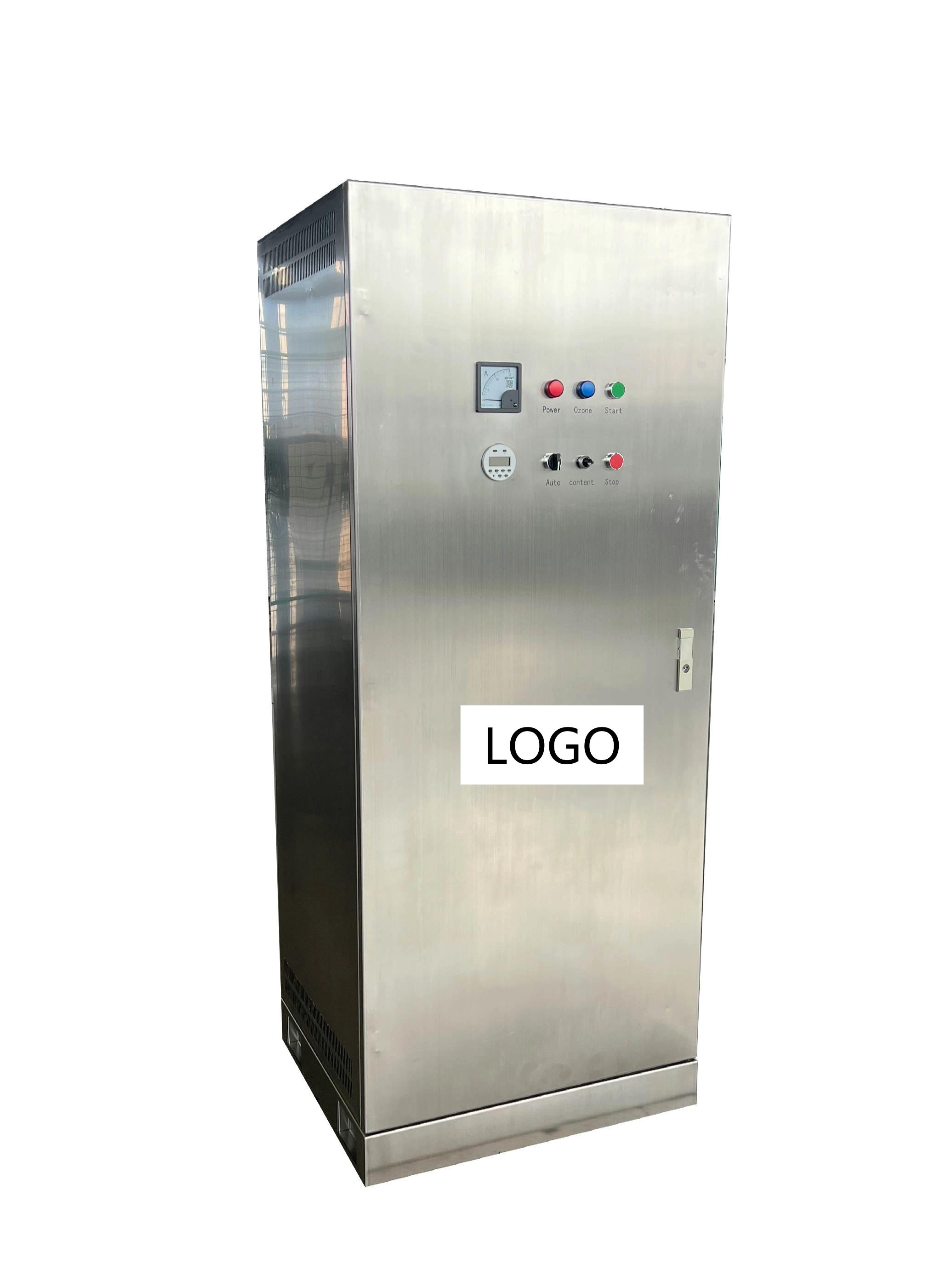
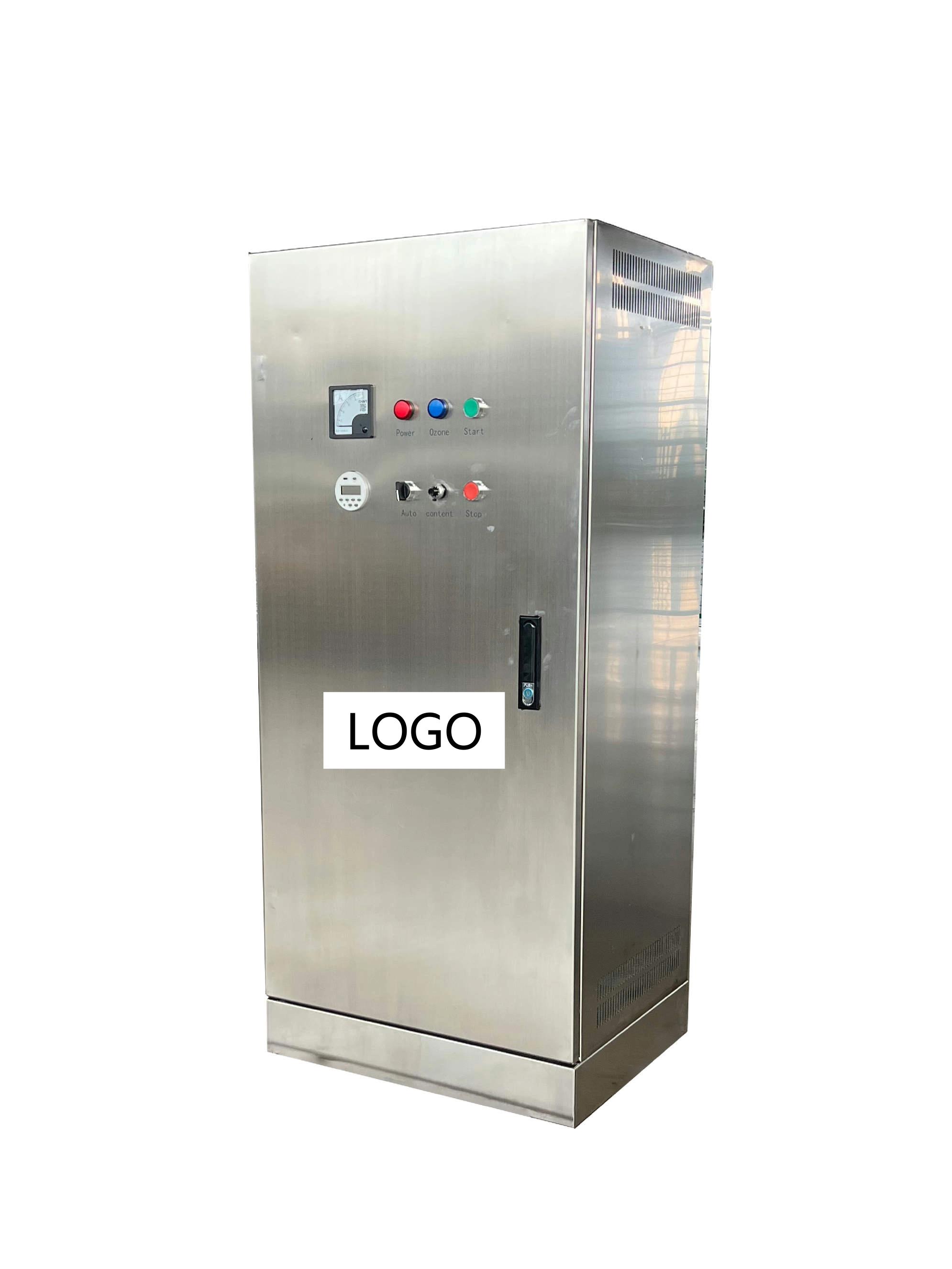
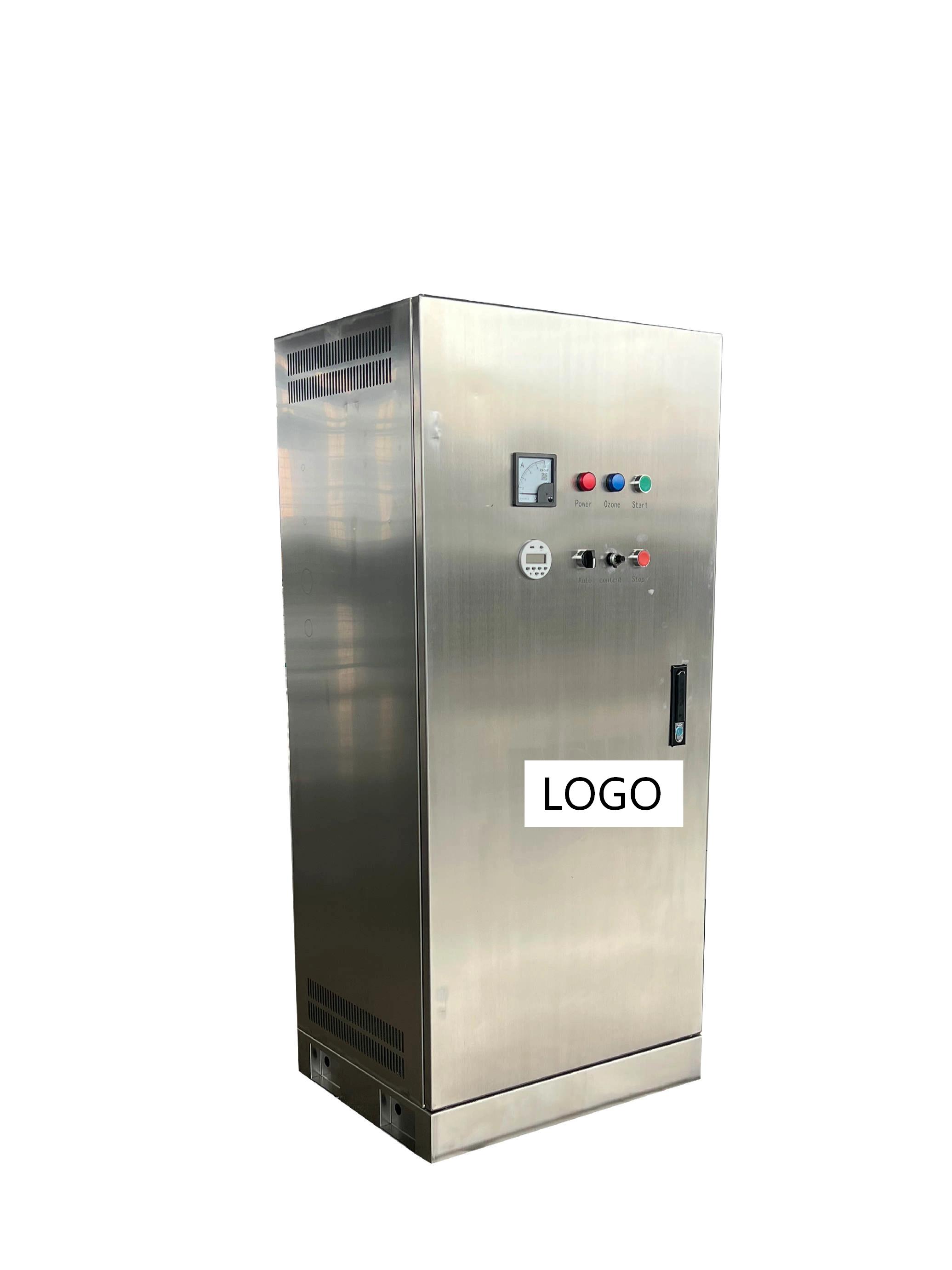
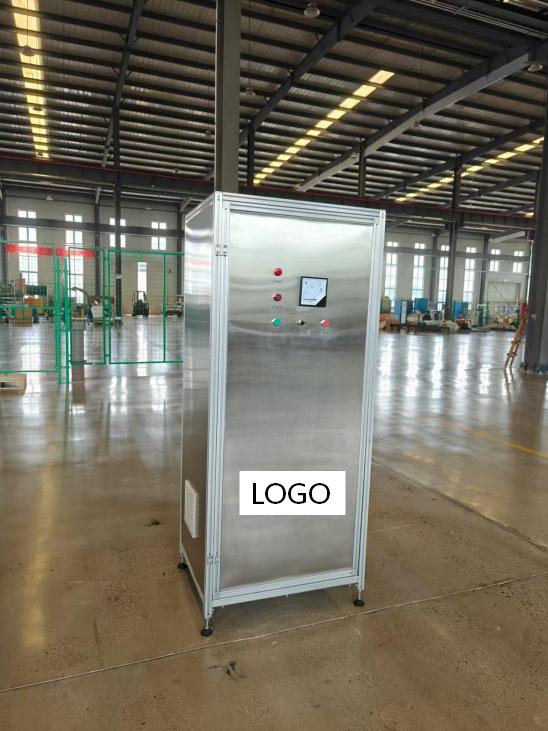
Our Industrial Cooling Tower Ozone Generator System provides a continuous, highly automated chemical-free cooling tower water treatment solution. Designed specifically for industrial water treatment integrators, facility maintenance teams, and plant engineers, this integrated unit injects high-concentration dissolved ozone (O3) into your recirculating loop—delivering rapid disinfection, complete biofilm degradation, and superior algae suppression without residual hazardous chemicals.
Key Applications & Target Technical Solutions
- Legionella Pneumophila Control: Rapidly oxidizes Legionella bacteria in warm recirculating water, mitigating biosecurity and compliance risks.
- Cooling Tower Algae Control: Destroys algal cell membranes in open-loop towers, preventing strainer blockages and biological scaling.
- Biofilm Elimination: Penetrates and strips extracellular polymeric substances (EPS) from piping and heat exchanger surfaces to maintain maximum thermal efficiency.
- Chemical Reduction: Replaces or substantially reduces liquid chlorine, bromine, anti-scalants, and non-oxidizing biocides.
Technical Specifications & Capacity Options
Our systems are engineered in modular configurations to accommodate varying cooling tonnage and recirculation flow rates. Custom skid-mounted designs with integrated oxygen concentrators, ozone injectors, and ORP control loops are available upon request.
| Model / Parameter | SK-50 | SK-100 | SK-200 | SK-500 |
| Ozone Output (g/h) | 50 g/h | 100 g/h | 200 g/h | 500 g/h |
| Target Cooling Capacity (Tons) | Up to 300 Tons | 300 – 700 Tons | 700 – 1,500 Tons | 1,500 – 4,000+ Tons |
| Ozone Concentration | 80 – 120 mg/L (Oxygen feed) | 80 – 120 mg/L (Oxygen feed) | 100 – 140 mg/L (PSA system) | 100 – 140 mg/L (PSA system) |
| Gas Feed Stock | Dry Air / Oxygen | Oxygen Concentrator | Integrated PSA Oxygen | Integrated PSA Oxygen |
| Inlet / Outlet Connection | 1" Venturi / Flange | 1.5" Venturi / Flange | 2" Flange Loop | 3" Flange Loop |
| Power Supply | 220V / 50-60Hz / 1PH | 220V / 50-60Hz / 1PH | 380V / 50-60Hz / 3PH | 380V / 50-60Hz / 3PH |
| Cooling Method | Air / Water Cooled | Water Cooled | Water Cooled | Water Cooled |
Note: Custom engineering is available for large-scale municipal, power generation, or specialized industrial applications.
Why Choose Ozone for Cooling Tower Disinfection?
1. Superior Oxidation Power
Ozone is one of the most powerful commercially available disinfectants, with an oxidation potential significantly higher than chlorine dioxide or sodium hypochlorite. It acts almost instantaneously on cell walls, preventing bacteria from developing chemical resistance.
2. Complete Biofilm Removal & Energy Savings
Bacteria create a protective biological matrix (biofilm) on heat exchanger tube walls. A layer of biofilm just 0.1 mm thick can decrease heat transfer efficiency by up to 10–15%. Ozone destroys this matrix, cleaning heat exchange surfaces continuously and lowering operating energy consumption across chillers.
3. Reduced Water Consumption & Zero Chemical Residuals
Ozone rapidly decomposes back into oxygen (O2) after reaction, leaving no harmful oxidation byproducts or salt buildup in the water. This allows facilities to run higher cycles of concentration (COC), significantly reducing makeup water usage and wastewater discharge surcharges.
System Configuration & Installation Architecture
Our industrial ozone systems are typically configured in a side-stream (slipstream) recirculation injection system to ensure maximum gas dissolution without disturbing main cooling loop pressures.
 [ Cooling Tower Sump ] ──────────────► [ Main Circulation Pump ] ──► [ Heat Exchanger / Plant ]
           │                                                                    ▲
           │ (Side-stream loop ~1-5% flow)                                     │
           ▼                                                                    │
   [ Strainer / Pump ] ──► [ Venturi Injector + Ozone Generator ] ──► [ ORP Monitor/Ozone detector ] ┘
Core System Components Included:
- Heavy-Duty Ozone Generation Module: Quartz glass dielectric tube or micro-gap ceramic cell for long service life.
- PSA Oxygen Generation Unit: Delivers high-purity feed gas (>90% O2) with low dew point.
- High-Efficiency Venturi & Mixing System: Ensures optimum mass transfer rates of dissolved ozone into the water matrix.
- Automatic Ambient Ozone Leak Sensor: Ensures safety compliance in indoor mechanical rooms.
- PLC Control Panel & ORP Controller/Ozone detector: Real-time dose adjustment based on continuous water demand.
Quality Assurance & Global Export Standards
- Manufacturing Standards: Built under ISO 9001 certified production quality controls.
- Electrical Compliance: CE compliant electrical control panels and high-frequency power supplies.
- Materials of Construction: 316L stainless steel ozone reaction chambers, PTFE seals, and ozone-resistant piping throughout.
- Pre-Shipment Testing: 100% factory wet-tested and bench-tested for output stability prior to dispatch.
Frequently Asked Questions (FAQ)
Q1: Can an ozone system completely replace chlorine in cooling towers?
In most open and closed cooling tower applications, an appropriately sized cooling tower ozone water treatment system can replace up to 90–100% of oxidizing chemicals. It maintains clean heat transfer surfaces and controls Legionella effectively, though minimal localized scale/corrosion inhibitors may still be added depending on raw makeup water quality.
Q2: How does ozone control algae in open cooling towers?
Ozone destroys algae cells on contact in the side-stream line. Additionally, by removing suspended organic matter and reducing nutrient levels, ozone inhibits algae growth on tower fill and basin surfaces (cooling tower algae control ozone).
Q3: Will ozone cause corrosion in cooling tower pipework?
No, provided dissolved ozone levels are properly monitored and controlled via ORP (Oxidation-Reduction Potential) sensors/Ozone detector. Recommended dissolved ozone levels (0.05 - 0.2 mg/L) are non-corrosive to copper, mild steel, and stainless steel, while actually reducing corrosion rates by removing biological acid-producing bacteria beneath biofilms.
Ready to Upgrade Your Cooling Water Treatment?
Whether you are designing a new facility, retrofitting an existing HVAC system, or sourcing reliable equipment for a water treatment project, our technical engineering team is ready to assist with system sizing, and commercial proposals.
Contact Our Engineering Team Today
[ Submit Inquiry / Get Custom Quotation ]