



Ozonated Water in Food Processing: Bottled Water & Produce Sanitization Guide
Ozonated Water in Food Processing: Sanitizing Produce, Packaging, and Bottled Water
In modern food and beverage manufacturing, hygiene compliance is non-negotiable. Whether you manage a large-scale commercial beverage facility or a fresh-cut produce packing line, traditional chemical sanitizers like chlorine or peracetic acid come with serious drawbacks: harmful chemical residues, wastewater disposal challenges, and high recurring operational costs.
This is why plant managers and quality control engineers worldwide are shifting toward food grade ozone equipment as a reliable, chemical-free alternative. Because ozone reverts rapidly back into pure oxygen without leaving toxic byproducts, it has become the gold standard for meeting stringent FDA and HACCP sanitation regulations.
Below, we break down how industrial ozone systems transform food processing and bottled water production, boosting safety while lowering long-term operating costs.
1. The Role of Ozone in Bottled Water Plants
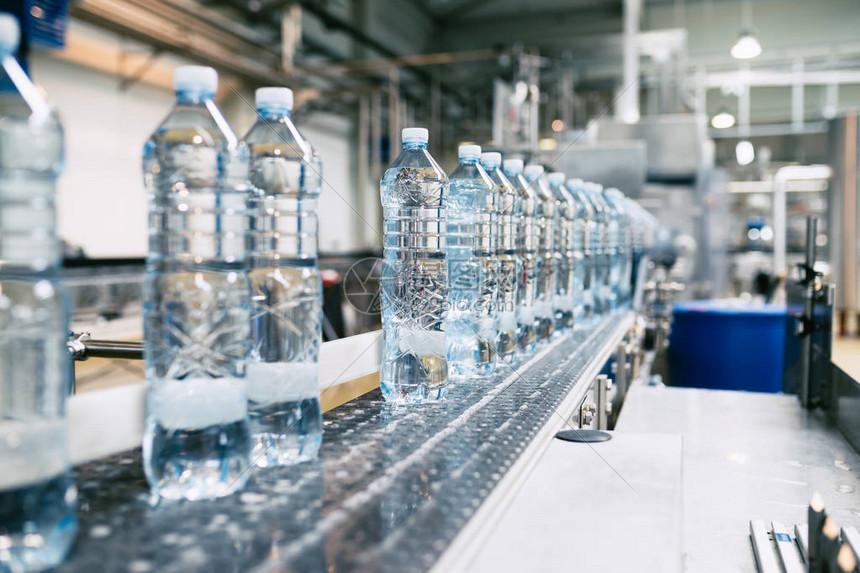
Ensuring absolute microbiological safety in bottled water without altering taste or mineral composition is a major engineering challenge. Traditional UV systems only treat flowing water at a single point, and chemical disinfectants leave undesirable tastes or smells.
Integrating a high-efficiency ozone generator for bottled water plant operations solves this by providing comprehensive, multi-barrier disinfection:
- Raw Water & Mineral Water Disinfection: Ozone destroys bacteria, viruses, algae, and mold spores instantly upon contact.
- Bottle and Cap Rinsing: Ozonated water is widely used to rinse PET or glass bottles and caps immediately before filling, ensuring zero secondary contamination from the packaging itself.
- Extended Shelf Life: Dissolved ozone in bottled water stabilizes the product, maintaining microbiological integrity throughout distribution and storage without requiring chemical additives.
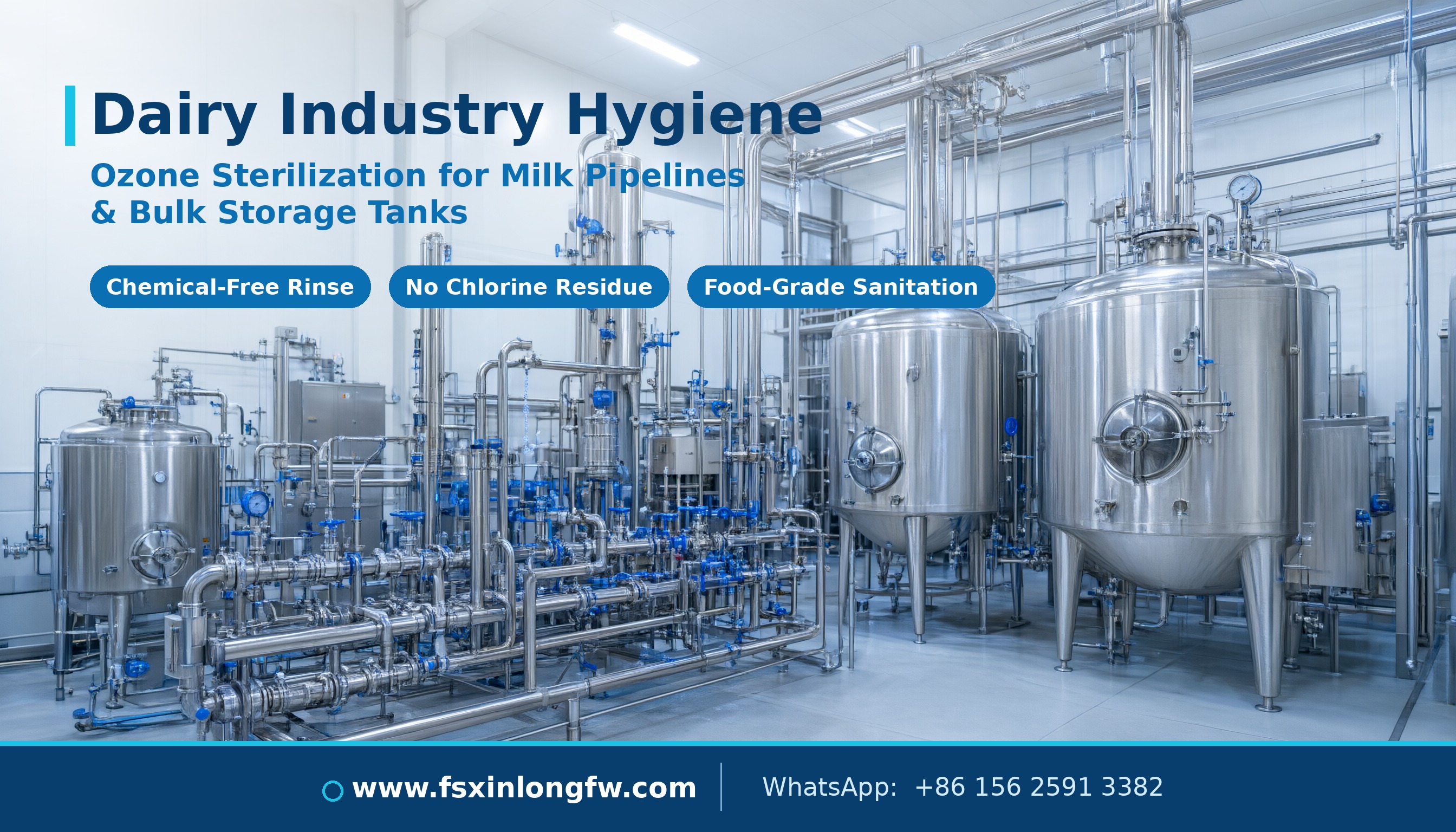
Engineering Tip: For bottled water lines, a complete ozone setup typically combines an oxygen-fed ozone generator, a Venturi gas-liquid mixing pump, a stainless steel reaction contact tank, and a residual ozone gas destructor to keep workplace air safe.
2. Advanced Ozone Washing for Fruits and Vegetables
Fresh-cut produce, berries, leafy greens, and root vegetables require intensive washing to remove field soil, pesticides, and post-harvest pathogens like E. coli and Listeria. Chlorine rinses are increasingly being restricted or rejected by eco-conscious importers and consumers due to carcinogenic disinfection byproducts (DBPs).
Implementing ozone washing for fruits and vegetables in industrial wash tanks offers superior sanitization:
- Pesticide and Chemical Breakdown: Ozone's powerful oxidation properties break down organophosphate and carbamate pesticide residues on crop surfaces rather than just washing them away.
- Water Recycling Efficiency: Because ozone naturally decomposes into oxygen, wash water can be filtered, re-ozonated, and recycled through closed-loop systems, drastically reducing water consumption in large processing plants.
- Preserved Texture and Freshness: Unlike harsh chemicals, ozone does not bleach or degrade the cell walls of delicate produce, maintaining natural color, firmness, and shelf life.
3. Key Requirements for Reliable Food Grade Ozone Equipment
When specifying ozone systems for food or beverage production lines, standard commercial units are insufficient. Food-grade applications demand robust engineering designed for 24/7 continuous operation:
- Material Compatibility: All wetted parts—including piping, valves, and mixing components—must be constructed of high-grade stainless steel (316L) or ozone-resistant PTFE/PVDF to prevent corrosion.
- Oxygen Source Integration: High-concentration ozone generators utilize built-in or external oxygen concentrators (generating $\ge 90\%$ pure oxygen feed gas) to produce stable, high-weight-percentage ozone output.
Upgrade Your Plant's Sanitation Standards
Switching to an engineered ozone system is one of the most effective ways for food processors and beverage bottlers to enhance product safety, eliminate chemical purchasing costs, and satisfy global audit requirements.
Whether you are designing a new mineral water bottling line or upgrading an existing produce washing facility, our engineering team can help you size and configure the ideal industrial setup.
- 👉 Explore our engineered solutions: Check out our Industrial Ozone Water Machines & Bottled Water Treatment Systems (Internal Link to Product Category Page) to view standard capacities and technical parameters.
- 👉 Need a custom system? Contact our technical sales team today (Internal Link to Contact Page / Inquiry Form) to discuss your water flow rates, tank volumes, and specific project requirements for a prompt engineering quotation.
Tags:
Related Posts