




Industrial Wastewater Treatment with Ozone: COD Reduction & Color Removal
Industrial Wastewater Treatment with Ozone: COD Reduction and Color Removal
Stringent environmental regulations worldwide are putting immense pressure on industrial manufacturers. For facilities generating complex effluent—such as textile printing and dyeing plants, chemical processors, and pharmaceutical manufacturers—traditional biological treatments often fall short. When biological systems cannot break down stubborn pollutants, factory operators face high discharge fees or regulatory penalties.
If your facility is struggling with high Chemical Oxygen Demand (COD) or persistent chromaticity, implementing an advanced oxidation process ozone (AOP) system is one of the most effective engineering solutions available today.
Why Traditional Wastewater Treatment Methods Fall Short
Many industrial effluents contain refractory organics—compounds that resist microbial degradation. In textile dyeing wastewater, synthetic azo dyes and complex organic auxiliaries create high color intensity and stable ring structures that biological sludge cannot easily decompose.
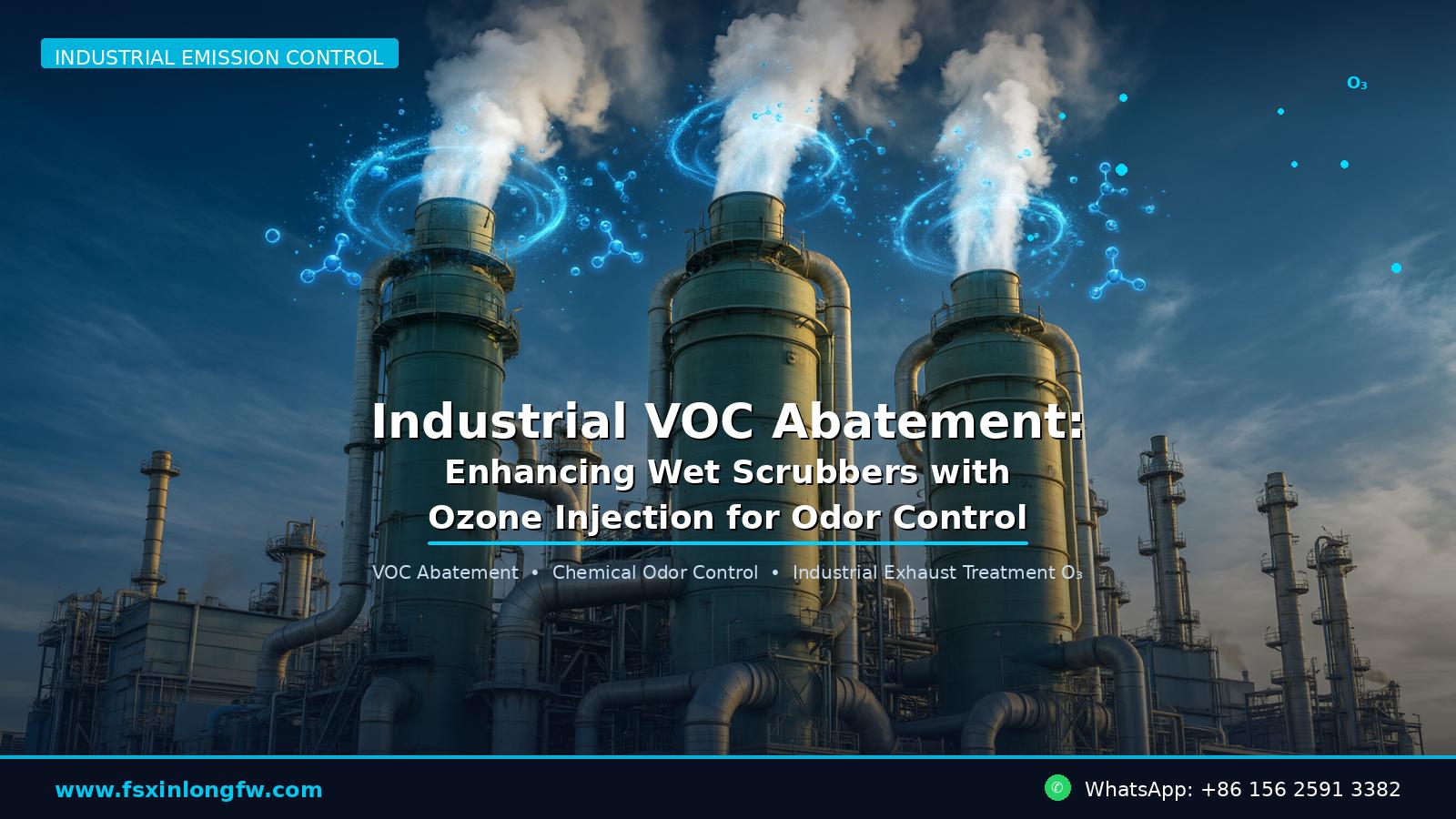
Similarly, industrial wastewater streams often feature high concentrations of phenols, petroleum hydrocarbons, or pesticides. Conventional coagulants generate massive amounts of hazardous chemical sludge, leading to high secondary disposal costs. This is where an industrial ozone generator changes the equation by destroying pollutants at a molecular level rather than merely transferring them to another medium.
The Power of Advanced Oxidation Process Ozone (AOP)
Ozone (O3) is a powerful oxidant with an oxidation potential of 2.07V. When applied in an advanced oxidation process—often combined with hydrogen peroxide (H2O2) or UV light—ozone generates highly reactive hydroxyl radicals (OH).
These hydroxyl radicals act non-selectively, rapidly breaking down complex molecular chains into smaller, biodegradable molecules or mineralizing them entirely into carbon dioxide and water.
Key Performance Benefits:
- High-Efficiency COD Reduction: Rapidly oxidizes refractory organic compounds, helping effluent meet strict local discharge limits.
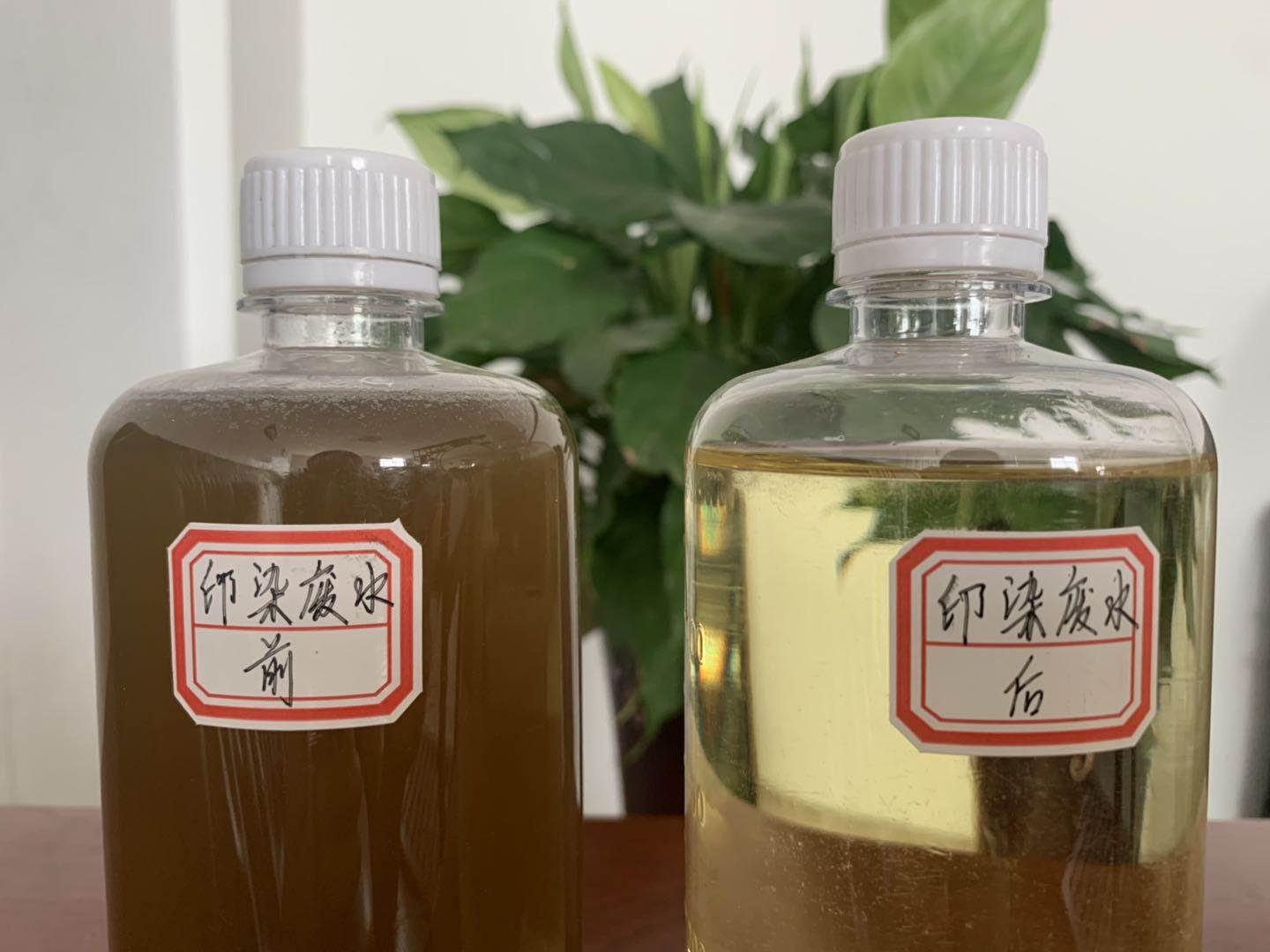
- Superior Color Removal: Clears stubborn chromophores in textile printing and dyeing wastewater within minutes, restoring clarity.
- No Secondary Sludge: Unlike chemical precipitation (e.g., lime or iron salts), ozone does not add chemical bulk or generate heavy metal sludge.
- Improved Biodegradability: Converts complex, toxic molecules into short-chain organic acids, making subsequent biological treatment (like biological aerated filters) far more efficient.
Core Applications in Industrial Sectors
1. Textile Printing and Dyeing Wastewater
Dyeing effluent is notoriously difficult to treat due to high pH fluctuations, high temperature, and intense coloration. Ozone injection effectively destroys the conjugated double bonds responsible for color, achieving over 90% color removal while simultaneously lowering COD before final discharge.
2. Chemical and Pharmaceutical Effluent
Pharmaceutical and chemical wastewater frequently contains high levels of persistent organic pollutants (POPs). Integrating an ozone oxidation unit acts as an essential polishing step (tertiary treatment) to ensure regulatory compliance.
3. Landfill Leachate
Leachate contains high-strength recalcitrant COD and ammonia. Ozone-based AOP provides the robust oxidation power required to crack heavy organic fractions.
Engineering Design Considerations for Industrial Ozone Systems
A reliable industrial-grade ozone setup requires precise engineering to ensure high mass-transfer efficiency and operational safety. Key components include:
- Oxygen Source Feed: High-concentration ozone generators require a dedicated on-site PSA (Pressure Swing Adsorption) oxygen generator yielding 90% ± 2% pure oxygen feed gas.
- Gas-Liquid Mixing: Utilizing Venturi injectors combined with gas-liquid mixing pumps or titanium microporous aeration plates ensures maximum ozone dissolution into the wastewater stream.
- Off-Gas Destruction: Residual ozone gas must be safely destroyed using thermal-catalytic ozone destroyers to protect worker safety and meet environmental standards.
- Automated Control: PLC systems and dissolved ozone meters ensure real-time dosing control and energy optimization.
Upgrade Your Wastewater Treatment Facility
Are you looking to optimize your plant’s COD removal efficiency, solve textile dyeing color challenges, or upgrade your existing treatment train?
As an experienced manufacturer and engineering partner in industrial water disinfection, we supply heavy-duty, oxygen-fed industrial ozone generators tailored to your exact flow rate and treatment specifications.
Contact our engineering team today to discuss your water quality parameters and receive a customized system design and quotation.
Tags:
Related Posts