




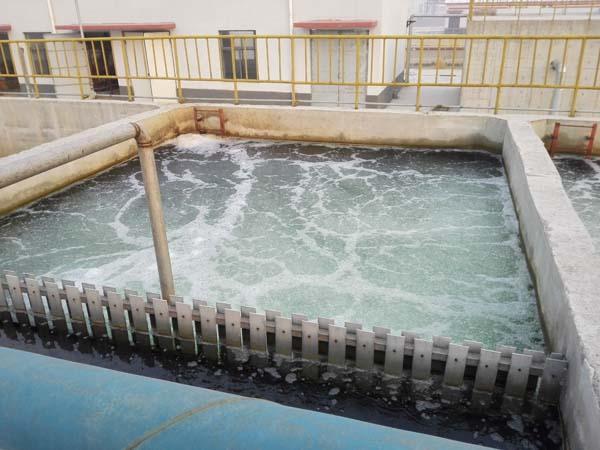
Ozone Treatment for Hospital and Medical Laboratory Wastewater: Eliminating Pathogens and Pharmaceuticals
The Growing Challenge of Hospital and Pharmaceutical Wastewater
Modern healthcare facilities, research laboratories, and pharmaceutical manufacturing plants generate wastewater that is vastly different from municipal sewage. Beyond standard biological oxygen demand (BOD) and chemical oxygen demand (COD), this effluent contains high concentrations of pathogenic bacteria, antibiotic-resistant viruses, radioactive isotopes, and—most critically—persistent pharmaceutical residues (APIs) such as antibiotics, hormones, and cytostatic drugs.
Traditional disinfection methods like chlorination often fall short. Chlorine struggles to break down complex organic drug compounds and frequently reacts with organic matter to form toxic disinfection byproducts (DBPs) like trihalomethanes (THMs) and adsorbable organic halogens (AOX), which pose long-term ecological threats.
This is why environmental engineers, municipal wastewater treatment plants, and EPC contractors are increasingly turning to ozone medical wastewater treatment as a reliable tertiary polishing technology.
Why Ozone? The Science Behind Advanced Oxidation
Ozone (O3) is one of the most powerful commercially available oxidizing agents. With an oxidation potential of 2.07 V, it directly attacks and destroys molecular structures that biological treatments and chlorine cannot touch.
- Pathogen Inactivation: Ozone destroys cell walls, disrupts membrane proteins, and damages the DNA/RNA of bacteria, viruses (including resilient strains like enteroviruses), and spores far faster and more thoroughly than chlorine.
- Pharmaceutical & Antibiotic Destruction: Through direct ozonation and the formation of hydroxyl radicals (OH) in advanced oxidation processes (AOP), complex organic rings in antibiotics and endocrine-disrupting chemicals are cleaved into biodegradable short-chain molecules or completely mineralized into CO2 and H2O.
- No Secondary Chemical Pollution: Unlike chlorine, excess ozone naturally reverts back to pure oxygen (O2) within a short half-life, leaving behind zero harmful chemical residues or toxic sludge.
Key Applications in Medical and Pharmaceutical Sectors
1. Hospital Sewage Ozone Disinfection
Large hospitals discharge wastewater containing infectious agents directly into municipal networks or onsite treatment facilities. Integrating an industrial oxygen-fed ozone generator into the secondary or tertiary treatment stage ensures total pathogen eradication before discharge, protecting municipal sewer workers and downstream water bodies.
2. Laboratory Wastewater Treatment
Pathology, research, and diagnostic laboratories discharge wastewater laden with biological cultures, chemical reagents, and solvents. Automated ozone systems equipped with precise ORP (Oxidation-Reduction Potential) sensors and Venturi injection systems handle fluctuating pollutant loads effectively, ensuring stable compliance.
3. Pharmaceutical Wastewater Ozonation
Active pharmaceutical ingredient (API) manufacturing plants produce high-COD, toxic effluent. Pharmaceutical wastewater ozonation serves as a vital pretreatment or polishing step to break down non-biodegradable compounds, significantly improving the BOD/COD ratio for subsequent biological treatment tanks.
Engineering an Industrial Ozone Treatment System
Designing a robust wastewater ozone system requires more than just an ozone generator. A complete, high-efficiency commercial setup typically incorporates:
- Oxygen Feed Source: High-purity oxygen concentrators (≥ 90% O2) to maximize ozone output concentration and efficiency.
- Gas-Liquid Mixing Pump & Venturi Injector: Ensuring optimal mass transfer of ozone gas into the wastewater stream for maximum contact surface area.
- Reaction/Contact Tank: Designed with appropriate hydraulic retention time (HRT) to guarantee required CT (Concentration x Time) values for complete disinfection.
- Off-Gas Destruction Unit: Catalytic residual ozone destroyers that convert any unreacted off-gas back into safe oxygen.
- PLC Automation: Integrated sensors for real-time monitoring of dissolved ozone, flow rate, and ORP levels.
Partner with Us for Custom Industrial Ozone Solutions
Are you designing a hospital wastewater treatment upgrade, an industrial pharmaceutical effluent plant, or a municipal sanitation project? Selecting the right ozone capacity, injection configuration, and material compatibility is crucial for project success.
Need a custom quotation or technical drawings for your project?
We specialize in manufacturing high-concentration industrial ozone generators, Venturi mixing skids, and complete turnkey ozone dosing systems tailored for municipal and industrial wastewater engineering.
Contact Our Engineering Team Today to discuss your project flow rates, regulatory standards, and equipment specifications. Let's engineer a cleaner, safer water future together.
Tags:
Related Posts