




Dental Unit Waterline Disinfection: Why Ozonated Water is the Ultimate Biofilm Solution
Dental Unit Waterline Disinfection: Why Ozonated Water is the Ultimate Biofilm Solution
Every dental practitioner knows the silent challenge hiding inside the dental chair: Biofilm in Dental Unit Waterlines (DUWLs).
Because dental unit waterlines consist of long, narrow, flexible plastic tubing with low water flow rates and frequent stagnation, they create the absolute perfect breeding ground for bacteria, fungi, and dangerous pathogens like Pseudomonas aeruginosa and Legionella.
Traditional chemical flushing methods (such as chlorine, hydrogen peroxide, or bleach tablets) are slow, costly, corrosive to equipment, and leave chemical residues that leave patients skeptical.
So, how can modern dental clinics achieve 100% compliant, sterile waterlines without ruining expensive equipment or exposing patients to harsh chemicals?
The answer lies in On-Demand Ozonated Water Disinfection.
The Hidden Danger of Biofilm in Dental Waterlines
Water entering your clinic may meet municipal safety standards, but once it sits inside the micro-tubing of a dental chair, bacterial counts explode. Studies show that untreated dental unit water can reach bacterial concentrations of over 500,000 CFU/mL within days—far exceeding the CDC recommended limit of ≤ 500 CFU/mL for non-surgical dental water.
[City Tap Water] ➔ [Stagnant Micro-Tubing] ➔ [Biofilm Formation] ➔ [High CFU Bacterial Spray]When high-speed handpieces, ultrasonic scalers, or air/water syringes operate, they aerosolize this contaminated water. This exposes both your dental staff and patients to cross-contamination hazards.
Why Ozonated Water Outperforms Chemical Disinfectants
Dissolved aqueous ozone (O3) is currently one of the most powerful eco-friendly oxidizing agents available for medical sanitation. It reacts up to 3,000 times faster than chlorine at neutralizing microorganisms, breaking down bacterial cell walls on contact.
Here is how aqueous ozone compares to traditional chemical tablets and liquid flushes:
| Feature | Ozonated Water Solutions | Chemical Tablets / Bleach Flushes |
| Kill Rate & Speed | Broad-spectrum (99.999%), instant contact kill | Slower oxidation; risk of bacterial resistance |
| Biofilm Removal | Penetrates and dissolves polysaccharide matrix | Often leaves stubborn matrix intact |
| Chemical Residue | Zero. Reverts back to pure oxygen (O2) | Leaves toxic odor, bad taste, chemical byproduct |
| Tubing Compatibility | Gentle on medical-grade silicone & polyurethane | Corrosive; ages internal valves & seals prematurely |
| Operational Cost | Low (uses only tap water & electricity) | High recurring costs for disposable consumables |
Key Applications of Ozone Water in Dental Clinics
Integrating an ozone water generator into your clinic goes beyond just line flushing. It provides an all-in-one hygiene defense system across three main areas:
                  ┌── 1. Chairside DUWL Disinfection (Continuous & Shock Treatment)
Dental Clinic ────┼── 2. Medical Instrument Pre-Sterilization Sanitizer
Ozone Uses        └── 3. Dental Wastewater Treatment & Odor Abatement
1. Dental Unit Waterline (DUWL) Continuous & Shock Disinfection
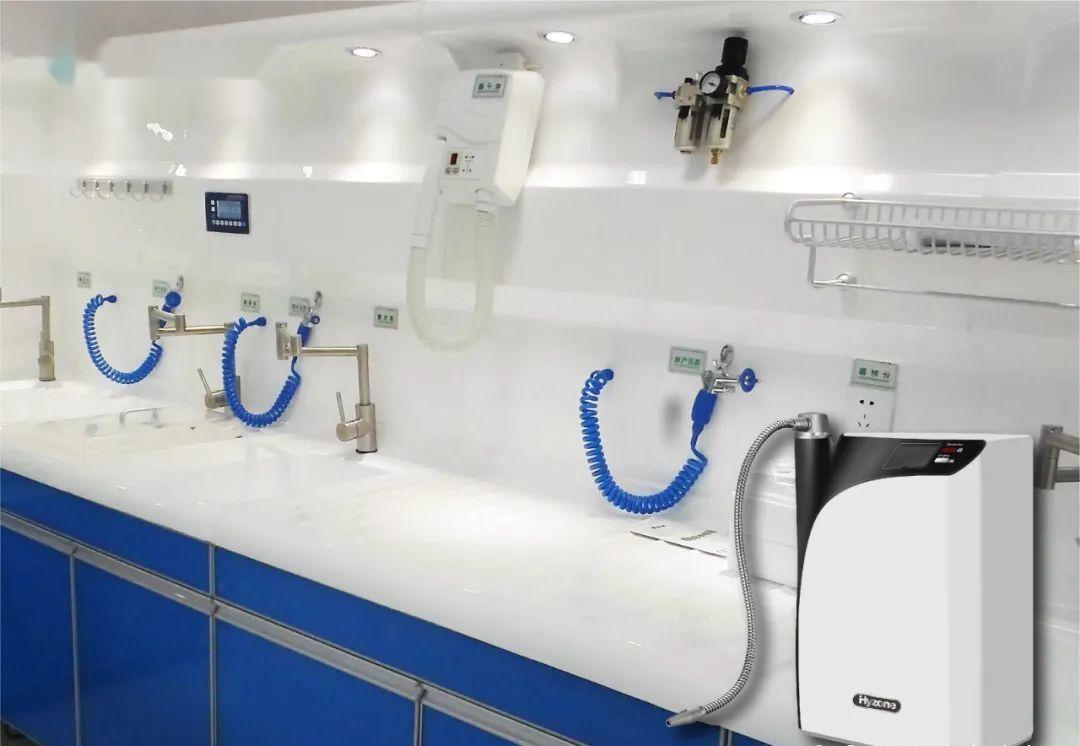
By installing a compact inline dental unit waterline ozone disinfection module, low-concentration dissolved ozone constantly purges the water circuit.
- Prevents new bacterial adhesion.
- Rapidly breaks up established sheath biofilm inside handpiece lines.
- Guarantees safe, tasteless, and odorless water for patient mouth rinsing and scaling.
2. Medical Instrument Pre-Cleaning & Sanitizing
Before autoclaving, instruments must be thoroughly pre-washed. Using an ozone water medical instrument sanitizer during the pre-rinsing phase neutralizes surface bioburden, blood proteins, and organic matter safely without releasing irritating toxic fumes in your sterilization room.
3. Dental Wastewater Treatment & Odor Control
Dental clinic wastewater often carries organic debris, blood, micro-plastics, and heavy metals. Treating clinic drainage with ozone breaks down complex organic pollutants, suppresses foul odors in the suction systems, and ensures compliance with local municipal discharge regulations.
How to Choose the Right Ozone Generator for Your Dental Practice
When selecting an ozone water system for dental clinics, one size does not fit all. You need reliable, industrial-grade engineering optimized for medical environments.
Key specifications to look for:
- Precision Dissolved Ozone Concentration: Look for ozone levels (typically 0.5mg/L to 2.0mg/L) for continuous line feed, and higher for instrument soaking).
- Instant On-Demand Generation: Choose electrolytic or efficient corona discharge systems that generate ozonated water on the spot without needing bulky storage tanks.
- Compact, Plug-and-Play Footprint: Dental operatories have limited space; wall-mounted or under-sink units designed for 110V–240V AC or 12V DC input offer seamless retrofit capabilities.
- Corrosion-Resistant Materials: Ensure internal wetted parts are built with ozone-proof titanium, quartz glass, and PTFE/viton seals.
Upgrade Your Clinic’s Water Safety Today
Maintaining sterile dental waterlines doesn't have to mean constant chemical expenses or equipment downtime. Upgrading to ozonated water technology ensures crystal-clear water compliance, protects your patients, and lowers long-term clinic maintenance overhead.
Are you an OEM distributor, medical equipment integrator, or dental clinic director looking for a customized water disinfection setup?
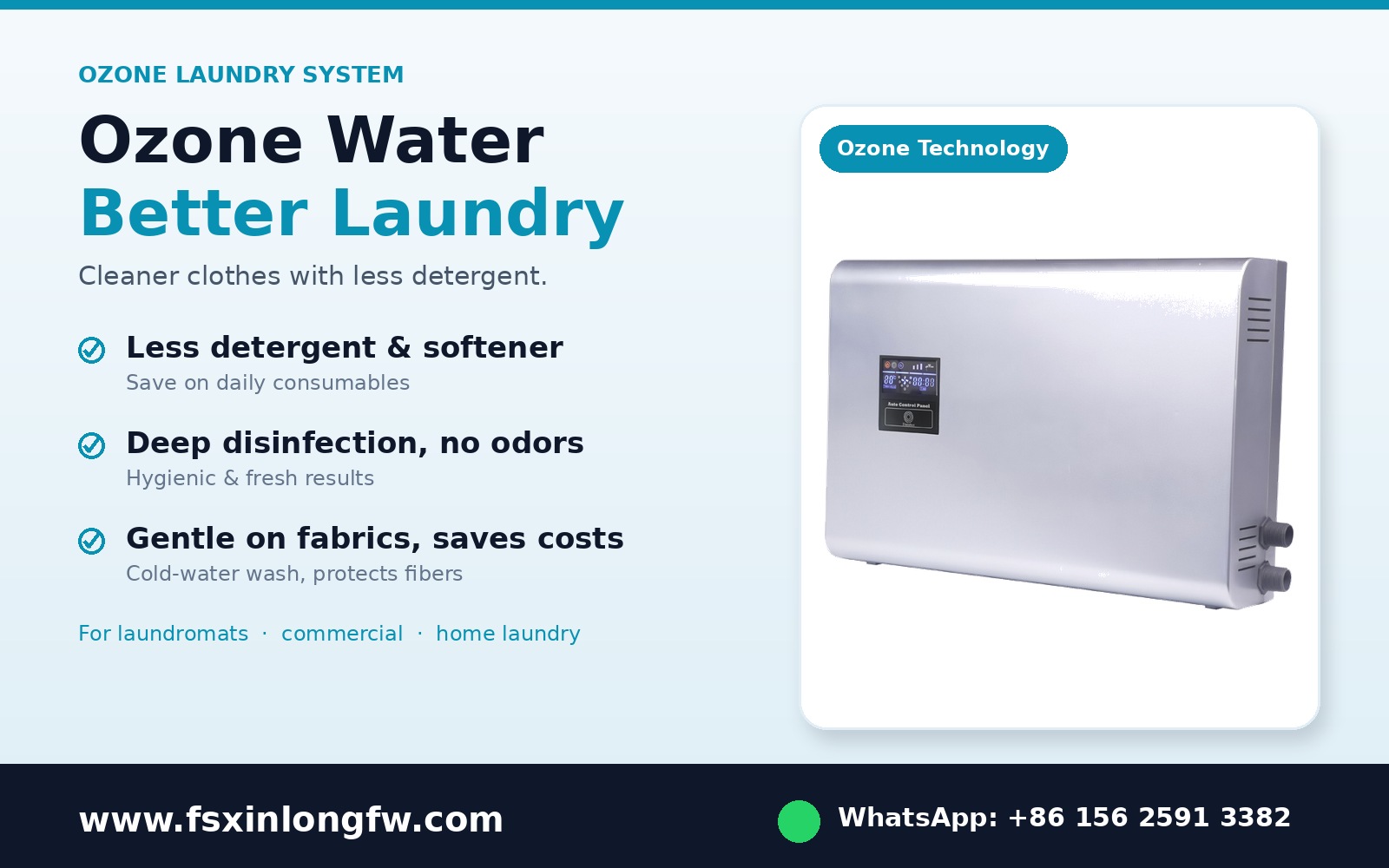
At Xinlong / Sankang Ozone, we manufacture robust, compact, and high-efficiency ozone water generators tailored for medical and dental applications.
- 💬 Need technical advice or a custom OEM quotation?
- ✉️ [Contact Our Ozone Specialists for Direct Wholesale Inquiries] or chat directly with our team on WhatsApp to get your customized quote within 24 hours!
Tags:
Related Posts