




Oxygen-Fed vs. Air-Fed Ozone Generators: Which One Do You Need for Industrial Projects?
When designing or upgrading an industrial-scale ozone treatment system, one of the most critical engineering decisions you will face is choosing the feed gas source: air-fed or oxygen-fed.
While both systems rely on corona discharge to split oxygen molecules (O2) and recombine them into ozone (O3), the choice of feed gas drastically impacts ozone concentration, energy efficiency, equipment footprint, and long-term operating costs.
For B2B buyers, plant engineers, and project managers, choosing the wrong configuration can lead to underperforming treatment cycles, bloated energy bills, or premature equipment wear. In this guide, we break down the technical differences between oxygen-fed vs air-fed ozone generators, analyze the role of an industrial oxygen source ozone machine, and help you determine which setup fits your application.
1. Understanding Air-Fed Ozone Generators
Air-fed systems draw ambient air, filter it, dry it to a very low dew point, and feed it directly into the ozone generation chamber.
- How it works: Atmospheric air contains roughly 21% oxygen and 78% nitrogen. Because nitrogen takes up the majority of the volume, the electrical discharge splits a limited number of oxygen molecules.
- Typical Ozone Concentration: 1% to 3% by weight (low concentration).
- Key Advantages:
- Lower Initial Investment: Eliminates the need for a separate Pressure Swing Adsorption (PSA) oxygen concentrator, making the upfront equipment cost cheaper.
- Simpler Setup: Fewer auxiliary components mean a more compact footprint and straightforward initial installation.
- Key Disadvantages:
- Low Mass Transfer Efficiency: Because ozone concentration is low, less ozone dissolves into water per unit of gas volume (governed by Henry's law).
- Risk of Nitric Acid Formation: The high presence of nitrogen in ambient air, when mixed with trace moisture, can react during corona discharge to form nitrogen oxides (NOx) and corrosive nitric acid, which degrades internal components over time.
- High Energy Consumption per Gram: Requires significantly more electrical power to generate an equivalent mass of usable ozone compared to pure oxygen systems.
2. Understanding Oxygen-Fed Ozone Generators (with Oxygen Concentrator)
An ozone generator with oxygen concentrator (typically utilizing PSA technology) separates nitrogen from ambient air on-site, supplying a high-purity oxygen stream (typically 90% to 95% O2) directly to the ozone generator.
- How it works: By feeding nearly pure oxygen into the corona discharge cell, the reaction efficiency multiplies, yielding a much denser, highly concentrated ozone output.
- Typical Ozone Concentration: 6% to 14%+ by weight (high concentration).
- Key Advantages:
- 2x to 3x Higher Production Efficiency: Generates substantially more ozone output (g/h) from a smaller discharge cell footprint.
- Superior Solubility: High-concentration ozone dissolves much more effectively into water, making it ideal for high-flow municipal or industrial wastewater treatment.
- No Nitrogen By-Products: Eliminates NOx and nitric acid formation, ensuring long-term equipment reliability and minimal maintenance.
- Lower Unit Energy Costs: Despite running an oxygen concentrator, the total power consumed per kilogram of dissolved ozone is markedly lower for heavy-duty tasks.
- Key Disadvantages:
- Higher upfront capital expenditure due to the inclusion of the oxygen generator, air compressor, and feed gas management systems.
3. Technical Comparison at a Glance
| Parameter | Air-Fed Ozone System | Oxygen-Fed System (with PSA Concentrator) |
| Feed Gas Purity | ~21% Oxygen (Ambient Air) | 90% – 95% Oxygen (Pure O2) |
| Ozone Concentration | 1% – 3% by weight | 6% – 14%+ by weight |
| Production Efficiency | Lower (g of ozone per kWh) | 2–3x Higher output for the same cell size |
| By-Risk / Corrosiveness | Risk of NOx and nitric acid formation | Clean process, zero nitrogen by-products |
| Water Solubility | Poor to moderate | Excellent (high mass transfer rate) |
| Best Suited For | Small-scale or low-demand applications, light odor control | Industrial wastewater, aquaculture, large water treatment plants |
4. Why Industrial Projects Require an Industrial Oxygen Source Ozone Machine
For heavy-duty industrial applications—such as chemical wastewater treatment, textile effluent color removal, large-scale aquaculture recirculation, and bottled water sterilization—choosing an industrial oxygen source ozone machine is virtually non-negotiable.
- Mass Volume Requirements: Treating high flow rates of wastewater requires massive dosages of ozone. Achieving high grams-per-hour (g/h) capacities using air-fed systems requires excessively large, cumbersome generators and massive gas flow rates that are difficult to manage hydraulically.
- Long-Term ROI: While air-fed systems have an attractive initial price tag, their high power consumption and frequent maintenance requirements (due to nitric acid degradation) accumulate massive operational expenditures over time. Integrated oxygen-fed systems pay for themselves through optimized electrical efficiency and extended equipment lifespans.
Engineering Rule of Thumb: If your application demands continuous 24/7 operation, high dissolved ozone residual levels, or strict effluent compliance standards, an integrated oxygen-fed system is the industry-standard choice.
Conclusion & Get a Custom Quotation
Selecting between an air-fed system and an ozone generator with oxygen concentrator depends on your specific flow rates, target contaminant loads, and operational budget. However, for high-capacity industrial projects, pure oxygen feed provides the reliability, efficiency, and performance required for modern compliance standards.
Looking for a reliable industrial ozone solution for your facility?
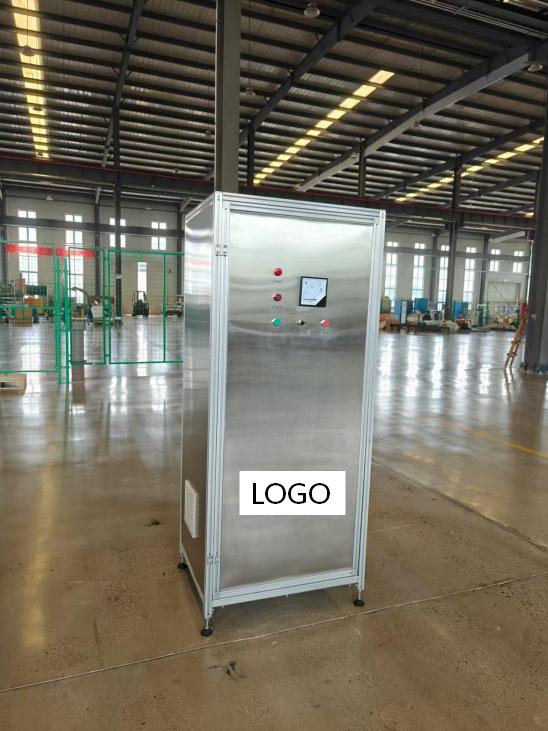
Explore our range of high-efficiency, skid-mounted industrial oxygen source ozone machines featuring integrated PSA oxygen concentrators. Contact our engineering team today to request a custom performance chart, sizing calculations, or a tailored B2B quotation for your project.
Tags:
Related Posts